







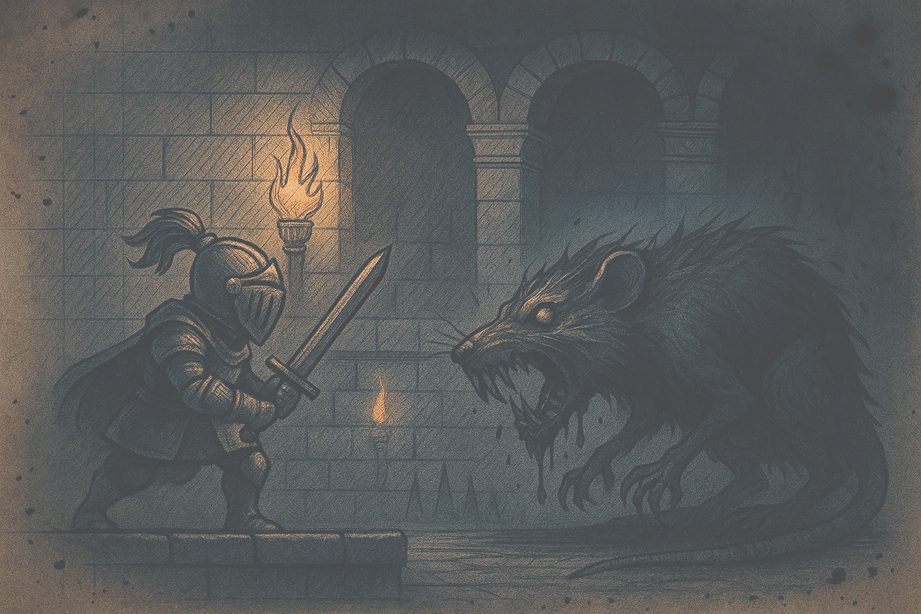
Hand-drawn dark fantasy platformer

in development

Face Your Inner Monsters on paper and in battle

  • Single-player · Story-driven combat
  • Physics-based sword combat
  • Enemies driven by AI behavior trees

WHAT IS INKBLADE?

About the game

decor

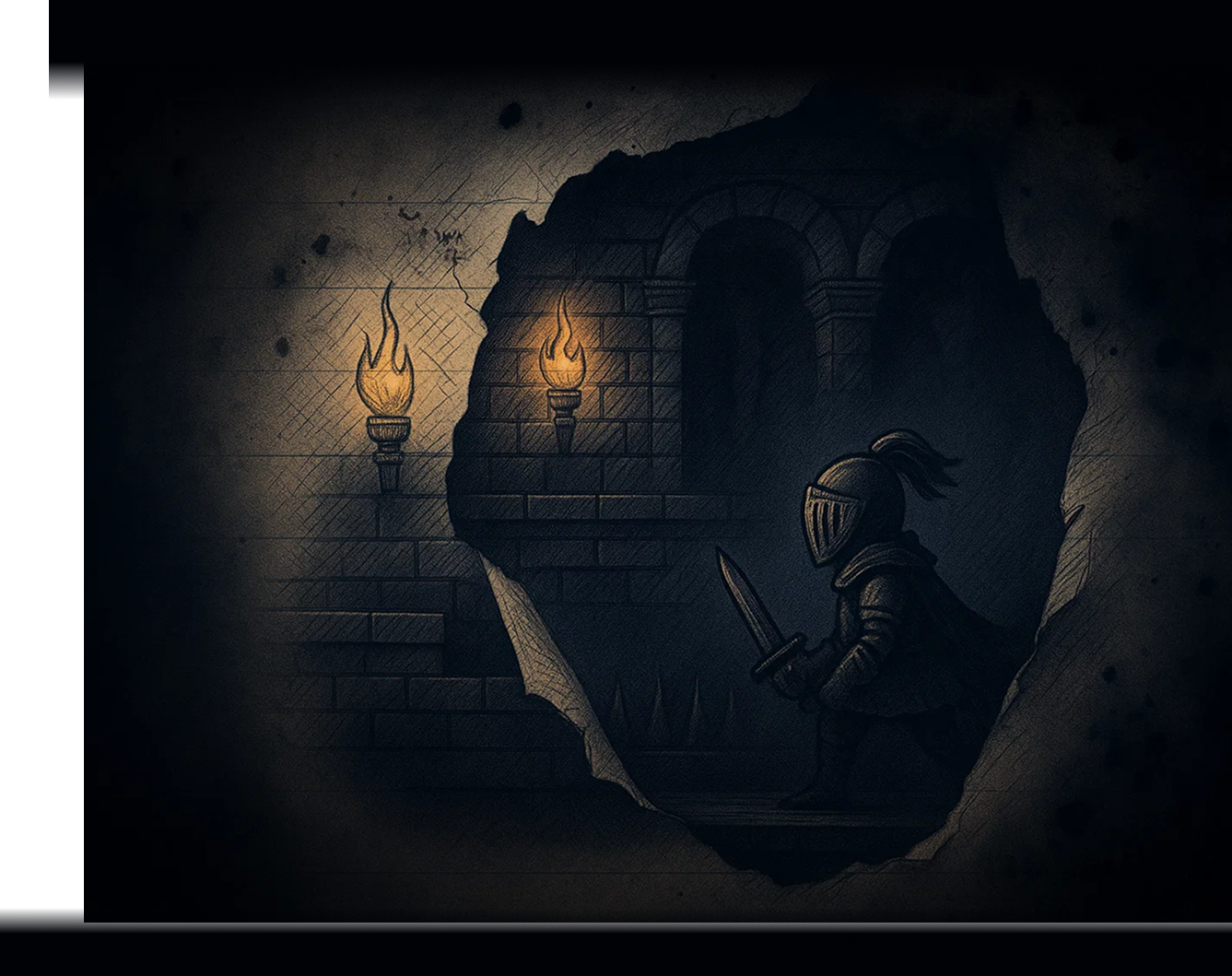
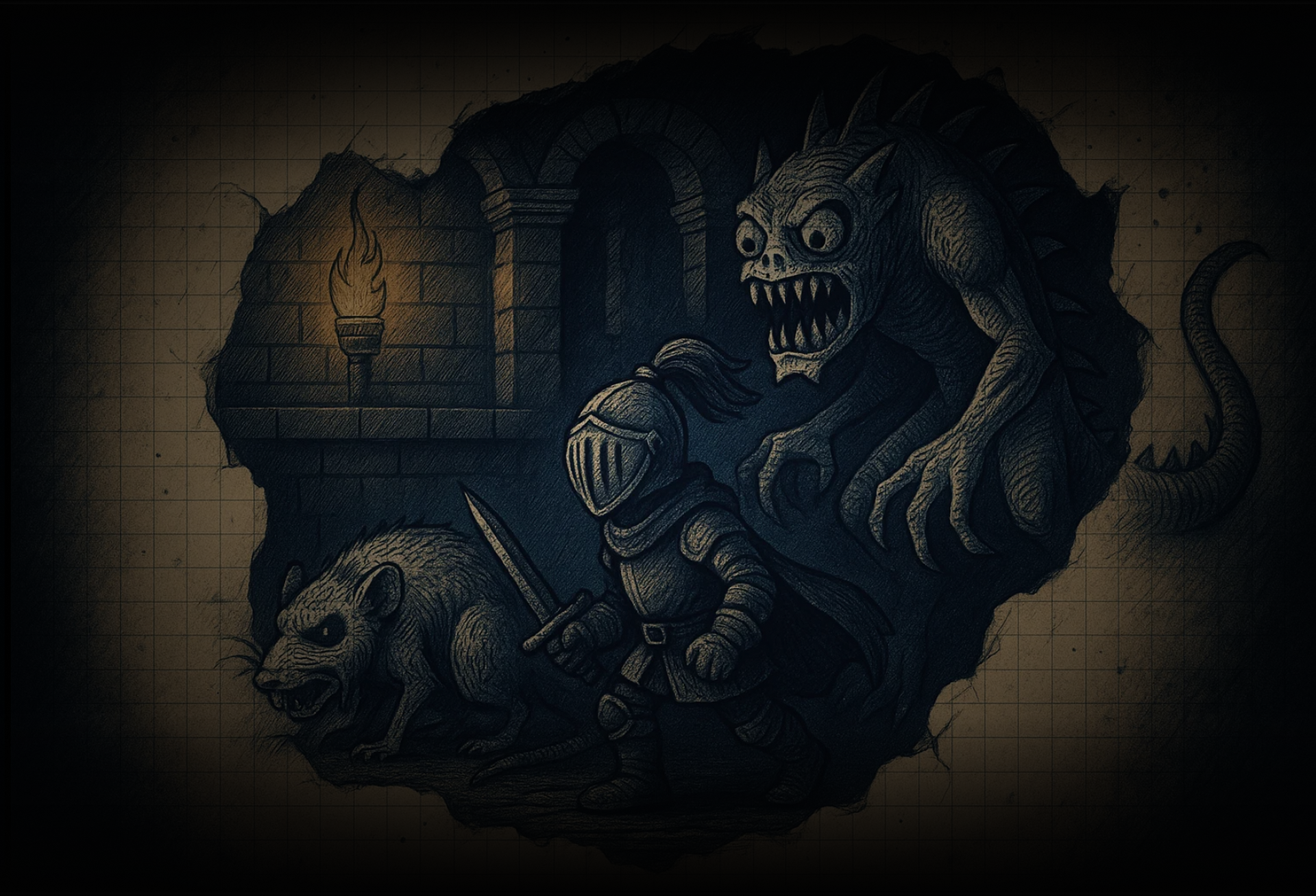
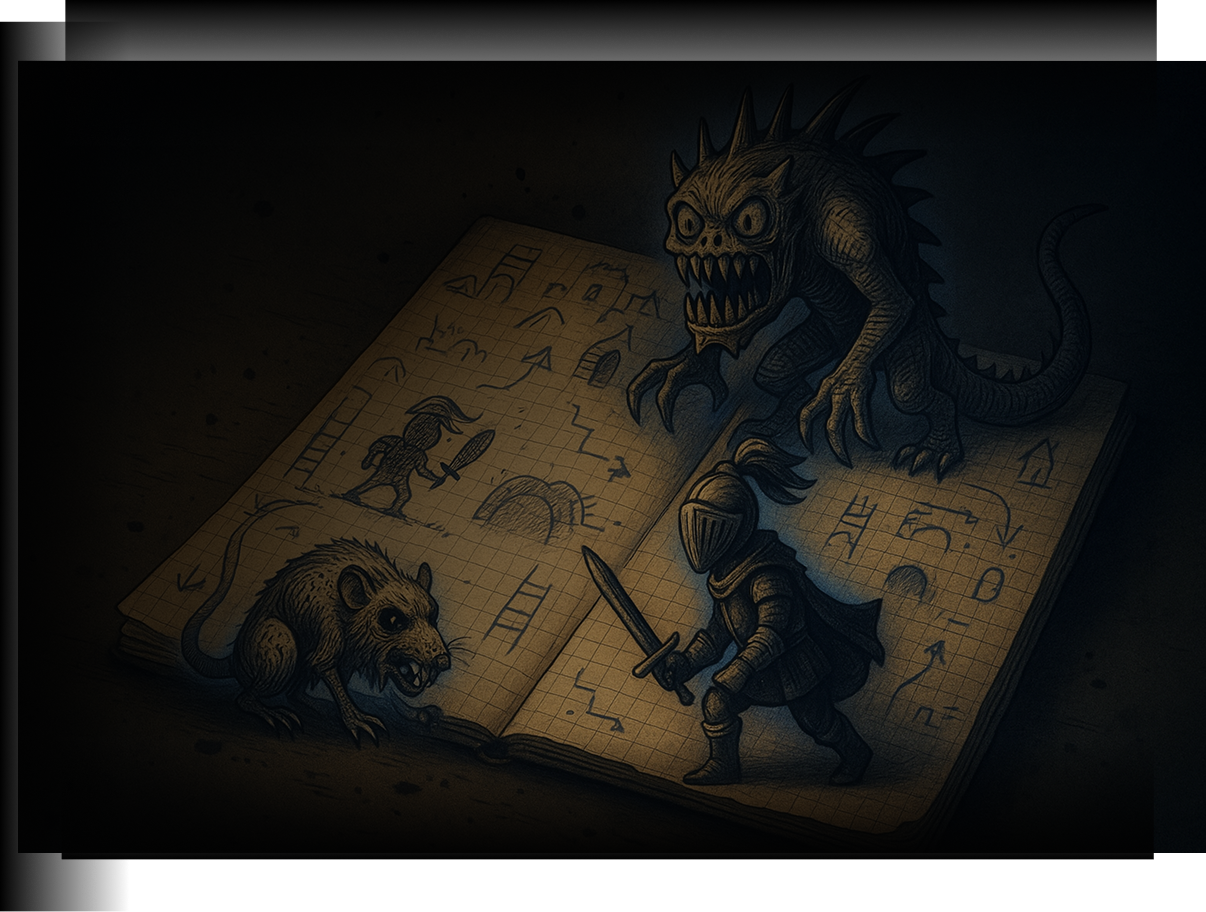
Inkblade is a hand-drawn dark fantasy platformer about fear, courage and the monsters we carry from childhood. The world looks like a living sketch — as if someone drew their nightmares in a notebook and they started moving.

decor decor

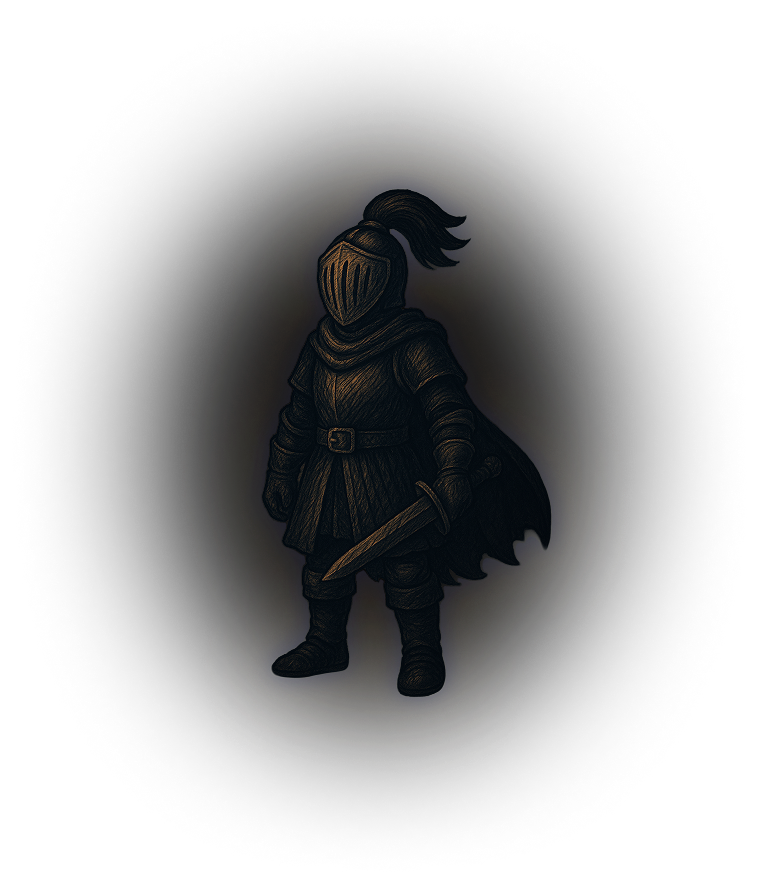
You play as the Paper Knight — a fragile, but stubborn hero born on the pages of a child’s notebook. Every level is a memory. Every monster is a fear that once lived under the bed or in the hallway’s darkness.

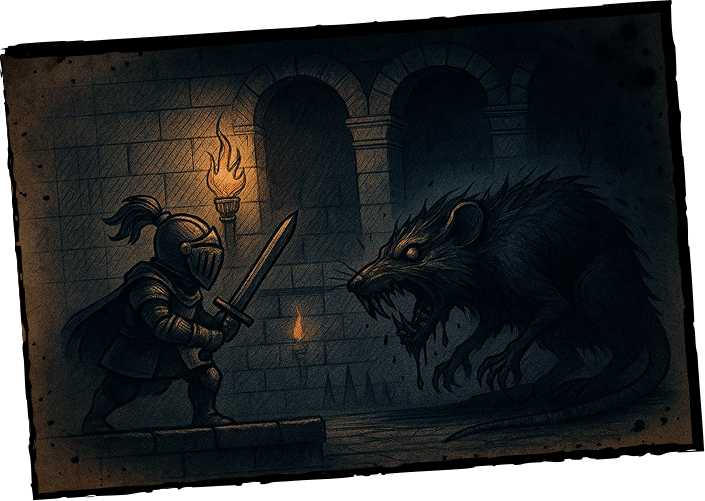
The combat is physical and weighty; your sword has mass, hits push enemies, and every mistake feels real. It’s not about speedrunning, but about learning the rhythm of each encounter.

Notebook world

Margins, grids, doodles — the whole UI feels like pages of a sketchbook.

Combat with consequences

Missed parries, risky jumps and greedy attacks really matter.

Smarter enemies

Rats, mimics and shadows use behavior trees instead of dumb patterns.

Emotional core

The game quietly talks about trauma, healing and growing up.

CURRENT STATUS

  • Core movement & platforming 100%
  • Melee combat system 60%
  • Enemy AI & behavior trees 40%
  • Art & visual style 35%
  • Story & narrative 30%
progressbar
Rough overall progress · Pre-alpha

Developer logs and early builds will be shared as the combat system and first full chapter are ready.

CORE GAMEPLAY

Key Features

Inkblade is not trying to be the biggest game in the world. It’s trying to be the most honest about how it feels to fight your own fears — with a sword, on paper, in the dark.

Weighty, physical combat

Your sword has weight. Hits push enemies, stagger them and interact with the environment. Dodging, spacing and timing matter more than button-mashing.

Hand-drawn paper world

The game looks like notes and sketches on a school notebook: grids, ink stains, erased lines and taped paper pieces create a unique mood.

Enemies with personality

Rats, mimics and shadow-creatures are driven by behavior trees, not just simple loops. They hesitate, regroup and punish you for greed.

Notebook-framed story

Levels are pages; chapters are school years. The deeper you go into the dungeon, the closer you get to the moment that broke the child.

Atmosphere over noise

Torches, echoes, quiet music and long corridors. Inkblade prefers tension and silence over constant explosions and UI clutter.

Built with feedback in mind

The game is tested with telemetry, A/B builds and community feedback. Movement, damage and level flow will be tuned with real players.

SEE IT IN MOTION

Gameplay & Feel

Until the full trailer is ready, here’s a peek at how Inkblade moves: early GIFs of the Paper Knight, rats and the first dungeon scenes. Replace the placeholders below with real captures from your builds.

gameplay

This block is a placeholder for an embedded YouTube trailer or a full-size gameplay GIF.

  • Idle animation
    Paper Knight breathing in the dark corridor.
  • Sword swing test
    Hitting a rat and knocking it into a pit.
  • Platforming snippet
    Torches, ladder, first safe camp.
  • Early boss silhouette
    Something huge behind the paper wall.
  • Notebook UI
    Level title written like a page header.
  • Death & retry screen
    Simple, but emotionally heavy.
LORE & MEANING

A story written in a child’s notebook

Inkblade is not horror in the jumpscare sense. It’s horror in the “I still remember that night in my childhood room” sense. The game quietly talks about fear, shame and finding courage when you feel small and fragile.

Somewhere in a quiet room, years after it all happened, an adult finds an old notebook. Inside — crude drawings of a knight, monsters and narrow corridors. The game is that notebook, opened and lived through again.

The Paper Knight is not a power fantasy. He’s a defense mechanism, a story a child told themselves to survive. The dungeon is home, school, streets and memories, folded into a single underground world.
story
“You were small. The world was huge. So you drew someone who wasn’t afraid.”
DEVELOPMENT

road to the first peblic build

Inkblade is being built slowly and deliberately: combat first, then level flow, then polish and story.

Below is a rough look at how the work is structured. Exact dates will be updated as the project grows.

HIGH-LEVEL TIMELINE

torch
Phase I • Combat core

Movement, attacks, hit reactions, basic enemies.

Now
torch
Phase II • First chapter

Dungeon layout, story beats, test build for players.

Next
torch
Phase III • Public demo

Steam/itch.io demo, feedback, tuning difficulty curve.

Planned
torch
Phase IV • Full release

More chapters, bosses, narrative routes.

Future

MODULES

  • Core movement & physics Done
  • Sword hitboxes & damage model In progress
  • Enemy AI (rats, mimics, shadows) In progress
  • First dungeon chapter (vertical slice) Planned
  • Trailer & Steam page Planned
  • Extended story content Later
BEHIND THE NOTEBOOK

who is making inkblade?

Inkblade is an indie project built “drop by drop” in spare hours — by a developer who also runs restaurant tech, writes children’s stories and builds an entire dark-fantasy world on the side.

igor

Igor Vorobyev

CREATOR • DEV • DESIGN

Game design, programming, art direction, combat feel, story and marketing. Inkblade is his way to talk honestly about fear, courage and childhood.

feather

Future collaborators

MUSIC • QA • ART

As the prototype grows, the project will look for composers, testers and illustrators who resonate with Inkblade’s mood.

knight

You

PLAYER • FEEDBACK

The way you move, die, retry and finish levels will shape balancing, pacing and even some story choices in the final game.

Enter the paper dungeon

Wishlist Inkblade, follow the devlog or just keep an eye on this page. When the first public build is ready, you’ll be among the first to know.

No spam, no noise — just occasional honest updates about how the game feels and where it’s going.